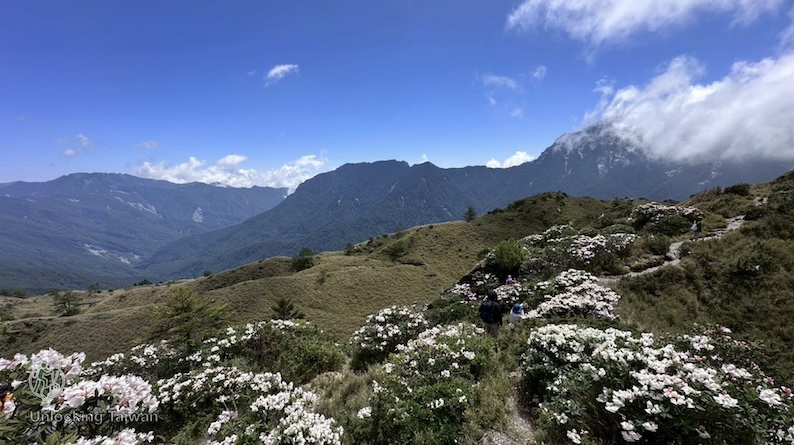
Taiwan has a humid subtropical climate, but its mountains experience very different weather throughout the year. Winter can be cold and windy, spring and early summer are often rainy, and summer brings thunderstorms and typhoons.
Whether you’re planning a multi-day high-mountain adventure or exploring local hiking trails, here’s what to expect throughout the year.
Taiwan’s Mountain Climate Throughout the Year
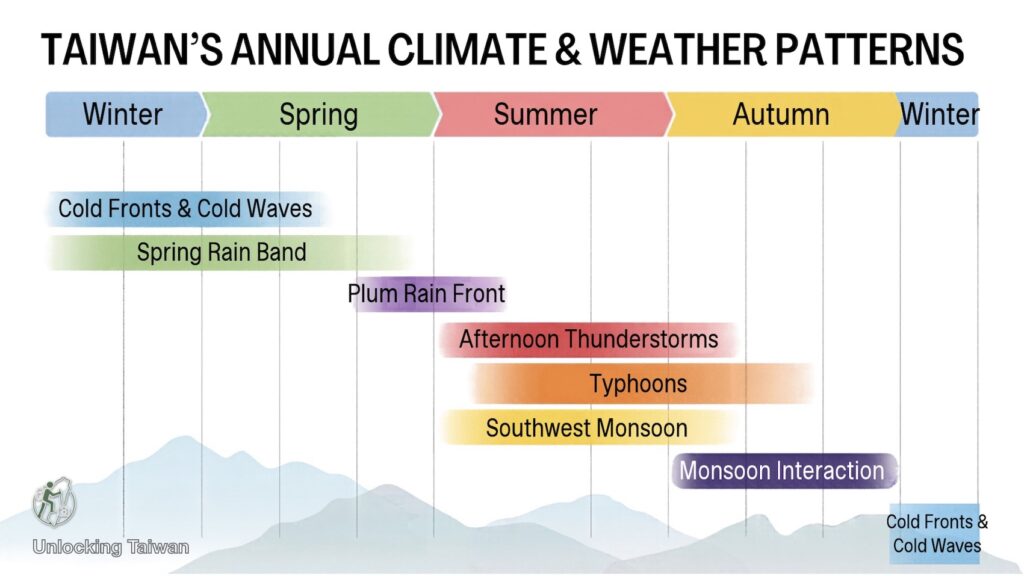
Taiwan’s mountain weather is influenced by several seasonal weather systems:
- Winter (December–February): Cold air masses and the northeast monsoon bring colder temperatures and strong winds.
- Spring (February–April): Spring rain and weather fronts can bring cloudy skies and changing conditions.
- Plum Rain Season (May–June): Prolonged rainfall can make trails muddy and slippery, with increased risks of landslides and rising streams.
- Summer (June–September): Afternoon thunderstorms are common, particularly in mountainous areas. The southwest monsoon also brings warm, moisture-rich air, contributing to summer rainfall.
- Typhoon Season (July–October): Typhoons can bring strong winds, heavy rain, and widespread trail or road closures.
- Autumn (October–November): The northeast monsoon gradually returns, bringing cooler weather and more rain to northern and northeastern Taiwan.
These are general seasonal patterns, not fixed schedules. Weather varies between regions and from year to year.
What Makes Taiwan’s Mountain Climate Different?
Humidity: Hot Feels Hotter, Cold Can Feel Colder
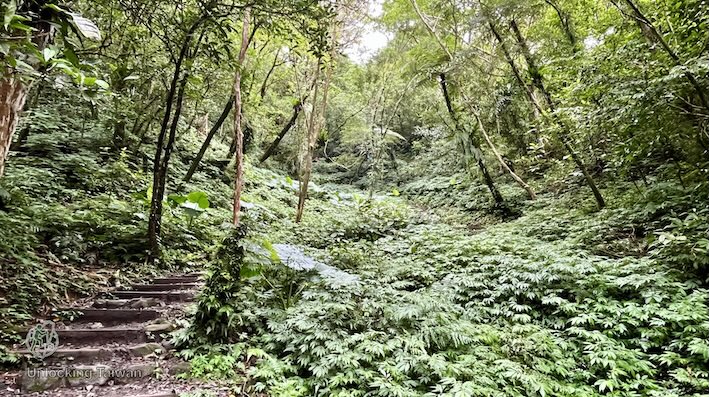
Taiwan’s mountains are often humid, with frequent fog, rain, and damp conditions.
In summer, high humidity makes it harder for sweat to evaporate, reducing your body’s ability to cool down. For example, 32°C can feel closer to 37°C under certain conditions.
In colder weather, humidity alone doesn’t necessarily make you feel colder. However, wet clothing, sweat, rain, and strong winds can make staying warm much harder.
A temperature of 10°C in Taiwan’s mountains can feel surprisingly cold, especially when you’re wet or exposed to strong winds.
These are illustrative examples, not fixed temperature conversions. Actual conditions depend on humidity, wind, sunlight, clothing, activity level, and individual differences.
💡 Unlocking Taiwan Tip: Don’t rely on air temperature alone. Check the feels-like temperature when available, along with wind and rainfall. Humidity is also useful to check when available, especially in hot weather.
Winter Winds Can Be Surprisingly Strong
Taiwan experiences two major seasonal wind systems:
- Northeast Monsoon (Winter): Usually strongest from December to February, bringing cooler air and rain to northern and northeastern Taiwan.
- Southwest Monsoon (Summer): Develops during warmer months, bringing warm, moisture-rich air and contributing to summer rainfall.
Winter generally has stronger seasonal winds than summer.
Mountain winds, however, are different from winds at sea level. High-altitude weather systems, terrain, and exposed ridgelines can make mountain winds much stronger.
Even in summer, thunderstorms, typhoons, and strong weather systems can bring dangerous winds to the mountains.
When Is the Best Time to Hike in Taiwan?
There isn’t one perfect season for every mountain or every hiker. Each season offers different hiking conditions and experiences.
Winter (December–February)
Winter is often one of the most comfortable seasons for hiking Taiwan’s lower mountains.
- Lower mountains: Cooler temperatures make hiking more comfortable than in summer. Mosquitoes and other insects are generally less active.
- High mountains: Experienced mountaineers with proper snow-climbing skills and equipment can enjoy snowy landscapes and generally less crowded trails.
- Important: Some high-mountain routes have specific Snow Season Regulations, including additional equipment or experience requirements. Always check the latest park regulations before planning a winter ascent.
Spring (March–May)
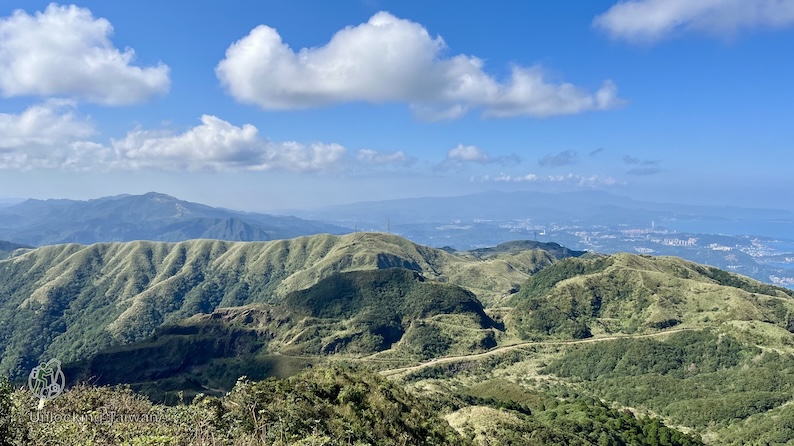
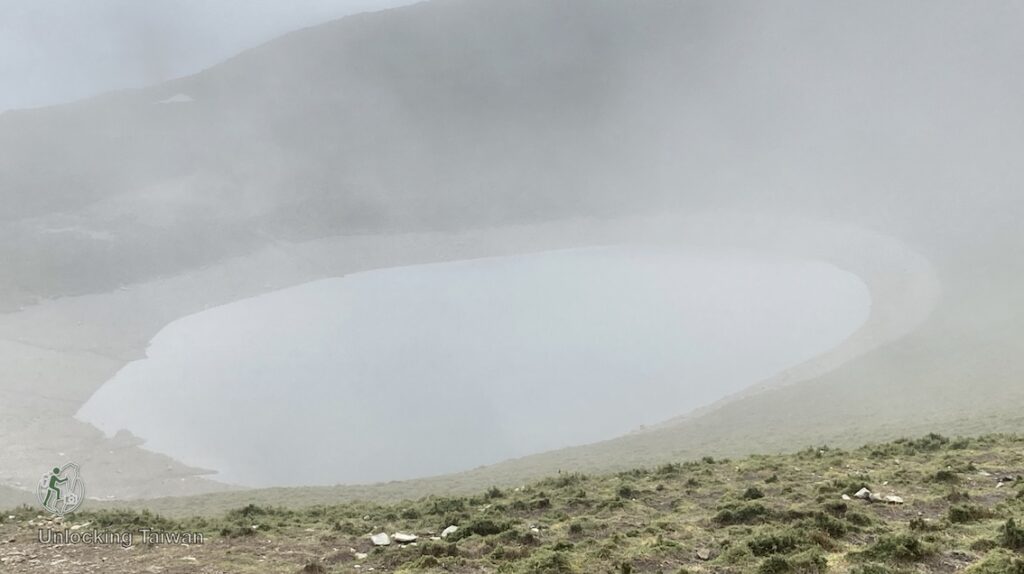
Spring is a transition season, with cold and warm weather systems taking turns affecting Taiwan. Rainfall also increases as the plum rain season approaches.
- Unpredictable conditions: Weather can change quickly, sometimes shifting from rain to sunshine within just a few hours.
- High mountains: Temperatures can remain low even when lower elevations feel warm.
- What to expect: Conditions can change quickly, so bring layers or rain protection even when the forecast looks favorable.
Summer (June–Aug)
Summer is a popular season for high-mountain hiking because temperatures at higher elevations are relatively comfortable.
However, rainfall and storms can significantly affect hiking conditions.
- Afternoon thunderstorms: Common during summer, especially from June to September. Start early and avoid exposed ridges during storms.
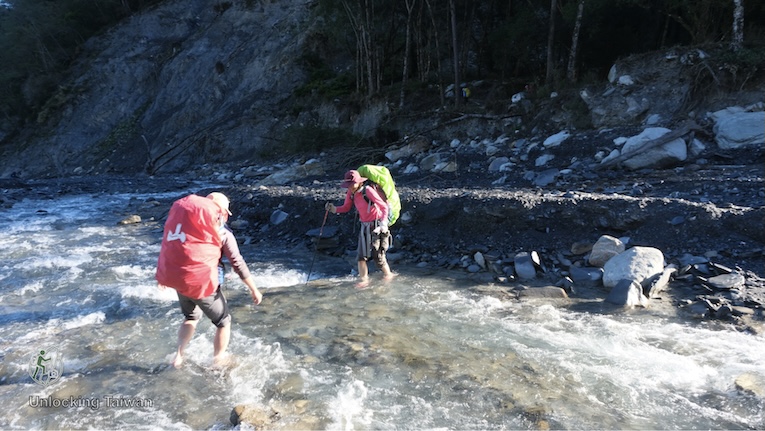
- Stream crossings: Check rainfall in the mountain catchment over the preceding days. Upstream rain can cause streams to rise rapidly, even when the weather at the trailhead looks fine. Never attempt to cross a swollen stream.
- Typhoons: A typhoon approaching Taiwan can disrupt multi-day hikes, including the second half of your itinerary. Be prepared to change plans or turn back.
- Permit cancellations: If a typhoon warning results in the closure of your hiking area, approved permits for affected routes and dates may become invalid, including Park Entry Permits and Mountain Entry Permits. You may need to reapply after the area reopens. Always follow the latest official announcements.
Autumn (September–November)
Autumn is often the most favorable hiking season in Taiwan, particularly from October onward. However, September can still be hot and humid, and typhoon activity may continue into October.
- Weather: Rainfall generally decreases, making conditions more favorable for hiking.
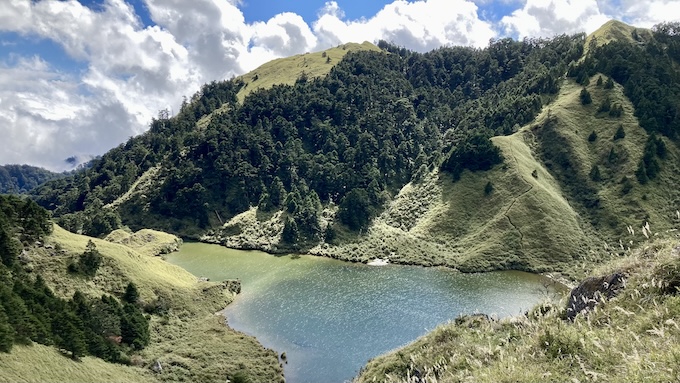
- High mountains: Cooler temperatures and relatively stable weather make autumn a popular season for high-mountain trips.
- Northeastern Taiwan: The northeast monsoon can bring cloudy skies and rain to northeastern Taiwan, particularly in exposed mountain areas and along the coast. Meanwhile, much of central and southern Taiwan generally becomes drier.
Before You Plan Your Hike
Taiwan’s mountain weather can change quickly, and conditions at the trailhead may be very different from those at the summit.
Before heading out:
- Check the latest mountain weather forecast, including temperature, feels-like temperature, wind, rainfall, and humidity when available.
- Check recent rainfall if your route involves stream crossings.
- Check typhoon forecasts before committing to multi-day hikes.
- Confirm trail conditions, closures, and applicable mountain regulations.
- Prepare clothing and equipment for conditions that may be colder, wetter, or windier than expected.
Choosing the right season is a great start. Understanding the weather and preparing for it is what makes a safer hiking trip.
Happy hiking in Taiwan!